Make space for Six Mile Cypress Slough
A slower look at a freshwater wetland, with practical ways to plan a considerate boardwalk visit.
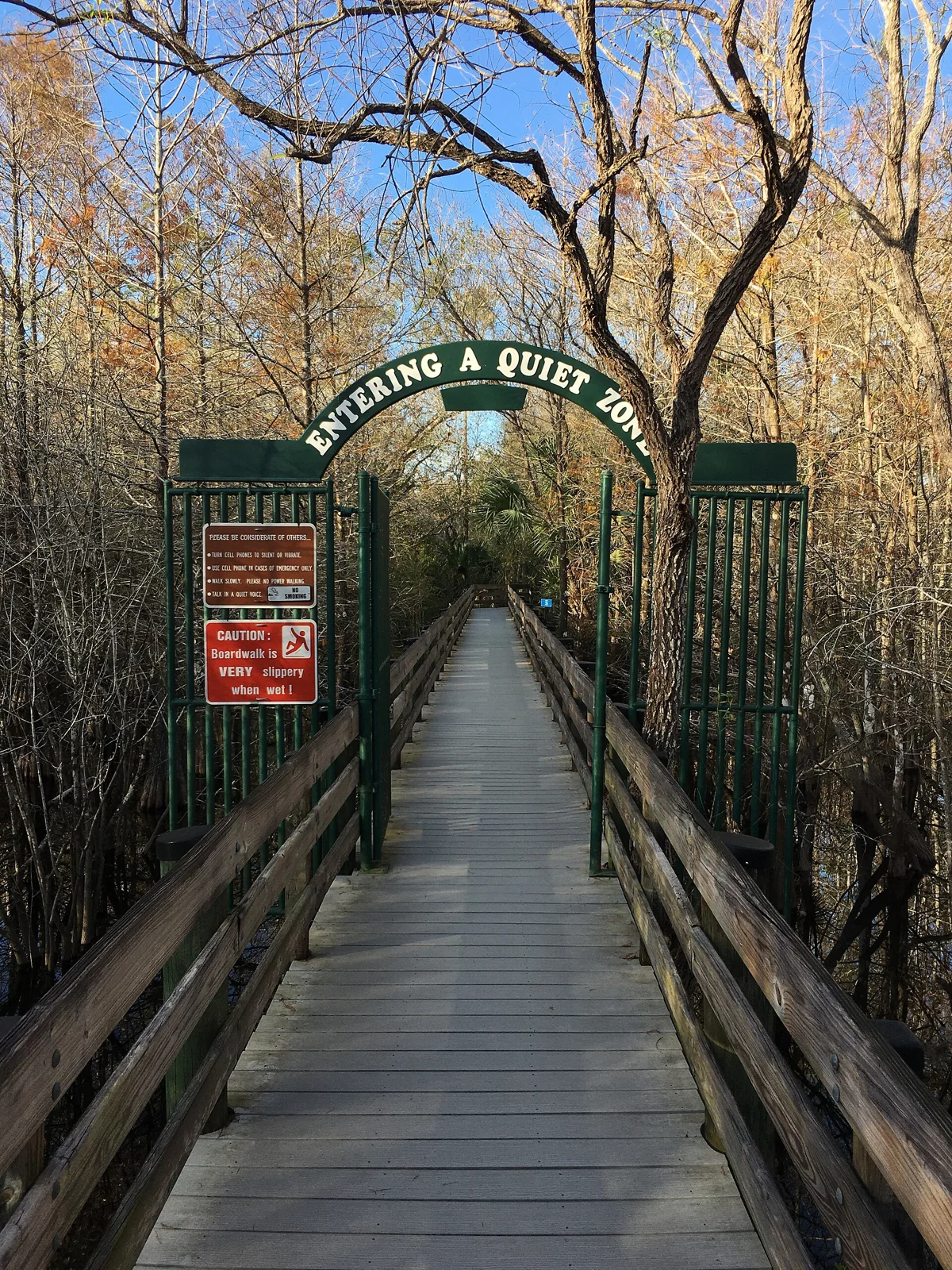
Six Mile Cypress Slough Preserve offers a different Fort Myers landscape from the broad riverfront and the region’s beaches. The preserve protects a freshwater wetland, with a boardwalk that lets visitors observe the changing relationship between water, trees and wildlife. Its appeal lies as much in small details as in any particular animal sighting.
Approach the outing as time to pay attention. A quiet stretch of water, a pattern of roots or the sound of movement in foliage can be enough to make a stop worthwhile. Wildlife is free to stay out of view, and a natural area should never be treated as a scheduled performance.
Understand what you are visiting
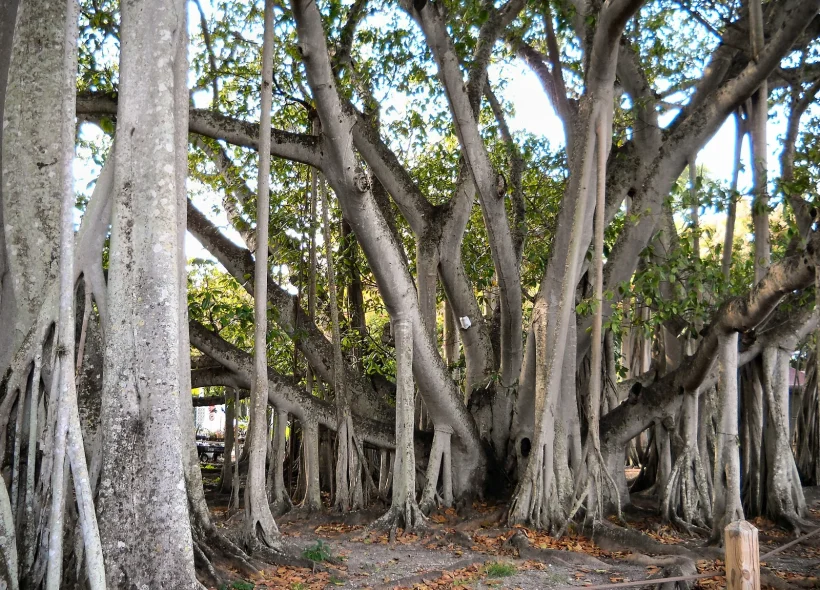
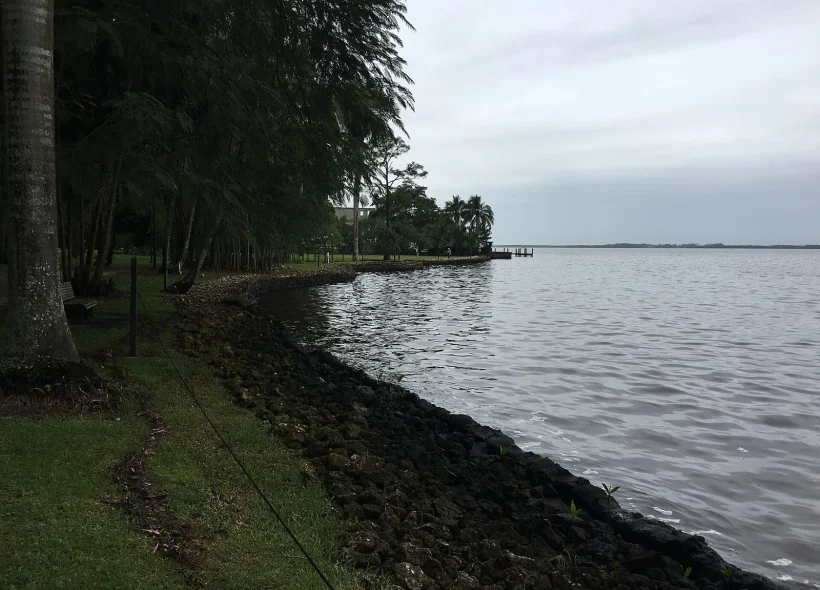
A slough is a wetland setting, rather than an ordinary city park with ornamental planting. Water levels and the appearance of the vegetation change through the seasons. The view in an older photograph may therefore differ from what you see on your visit without either image being misleading about the location.
Use Lee County’s preserve information to distinguish the boardwalk visitor area from other land associated with the preserve. Confirm the current entrance, accessible facilities and any closures before traveling. A pin carrying a familiar place name is not enough to establish that you have selected the intended visitor access.
Prepare for a comfortable pause
Bring what makes a short outdoor visit comfortable for you: drinking water, suitable footwear and protection appropriate to the day’s conditions. Check the forecast before leaving and follow notices at the preserve. A fixed itinerary should give way to a closure or changing weather; there is no benefit in treating a nature stop as something that must happen at any cost.
For families, explain the style of the outing in advance. This is a place to look and listen, not to race between attractions. Let children choose a small observation task, such as noticing different leaf shapes or listening for separate bird calls. Keep the task open-ended so that it does not depend on finding a particular species.
Let the boardwalk set your pace
Stay on the designated visitor route and leave room for others to pass. When you stop for a photograph, move carefully and avoid blocking a narrow section. If your party needs a break, use the facilities and stopping places provided rather than stepping into habitat to make space.
Look beyond the largest visible subject. Reflections can reveal the structure of the canopy; smaller openings between trees show how the wetland changes across short distances. A pair of binoculars may help you observe from farther away, but it is perfectly reasonable to enjoy the visit without specialist equipment.
A good nature visit does not require a dramatic encounter. Leave enough time to notice the place that is actually in front of you.
Photograph without changing the scene
Give wildlife space and never feed, call, chase or reposition an animal for a picture. Avoid handling plants or moving natural objects to simplify a composition. The aim is to record a visit, not to rearrange the preserve into an image. Follow posted rules concerning equipment and any organized photography activity.
If you share photographs afterward, identify the location and date accurately. A caption such as “Six Mile Cypress Slough, photographed in March” is more useful than a promise about what every future visitor will see. The same care applies when comparing your own photographs with older guide images.
Pair the preserve with a lighter second stop
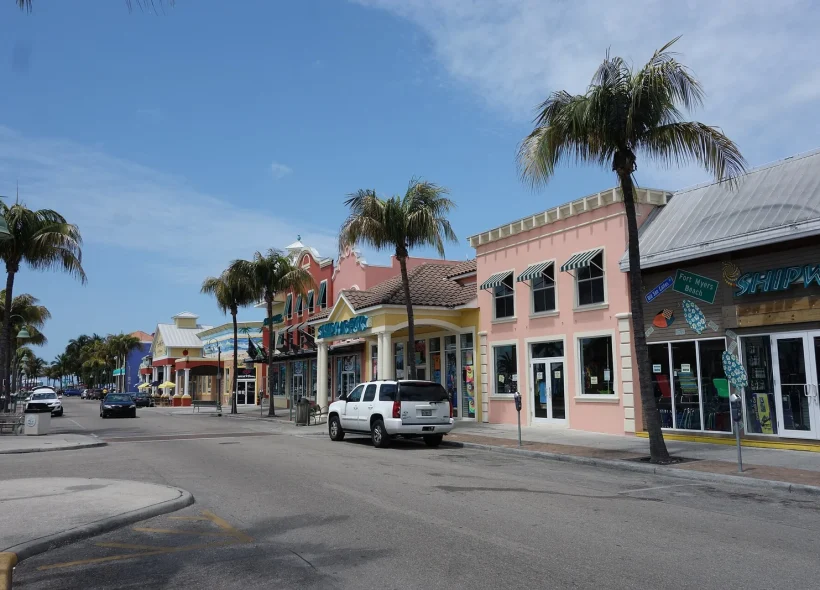
Give yourself the option of returning for a meal or a rest after the boardwalk. You do not need another major outdoor activity to justify the day. Combining the preserve with a short city stop can produce a satisfying contrast between wetland shade and the River District’s streets.
If you are weighing several outings, write down what each requires: the correct entrance, a confirmed opening, suitable weather, transport and enough energy for the return. Choose the plan with the fewest unresolved assumptions. Our first-visit planning guide shows how to leave that flexibility in a longer stay.
Practical reference: Lee County’s Six Mile Cypress Slough Preserve page. It should be your source for current visitor access, facilities, rules and notices.